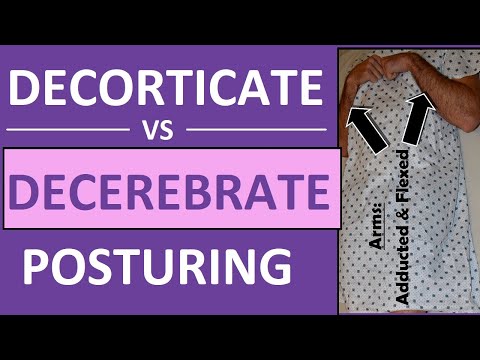
Decorticate Posturing Concussion

Example Of Tonic Posturing Following Concussion Youtube

The Fencing Response In Concussion Youtube
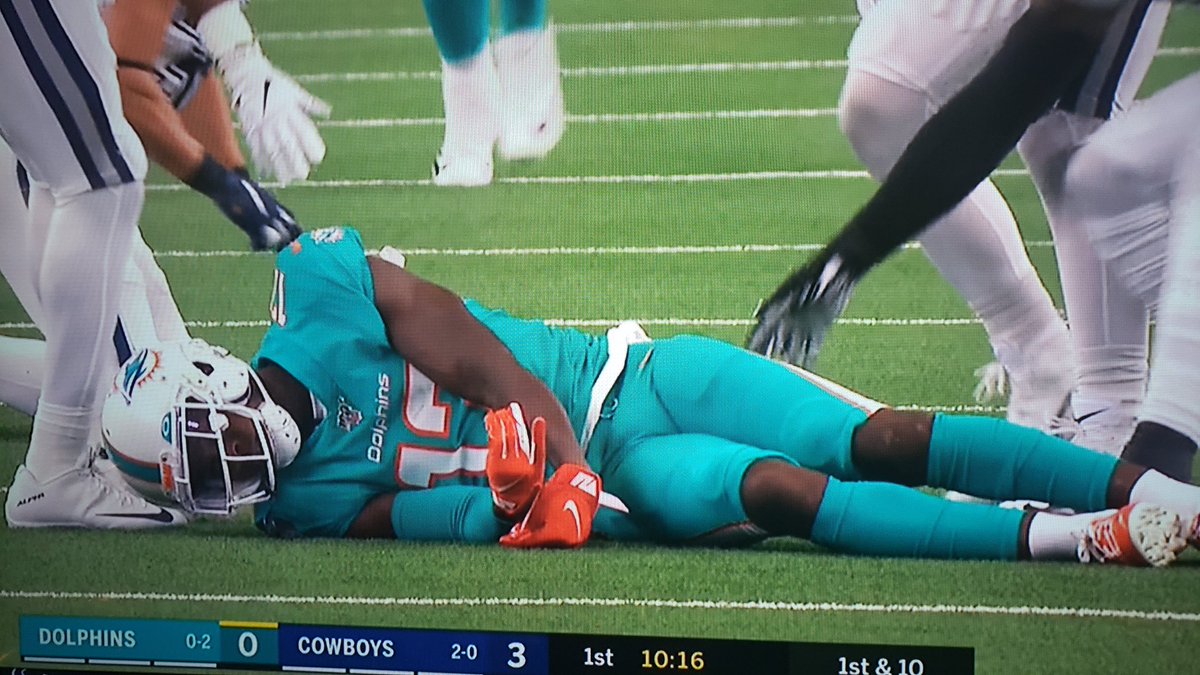
David J Chao Profootballdoc On Twitter Miavsdal Allenhurns Wr For Concussion Check This Picture Alone With Posturing Indicates He Will Be Ruled Out

Video Posturing Again And Again Ems

Decorticate Vs Decerebrate Posturing Nursing Study Guide Acute Nursing Medical Knowledge

Jacquie Rn On Twitter Rn From Here This Looks Like A Serious Brain Injury This Is Not A Minor Injury He Was Instantly Bleeding From The Ears
Decorticate posturing is also called decorticate response decorticate rigidity flexor posturing or colloquially mummy baby.
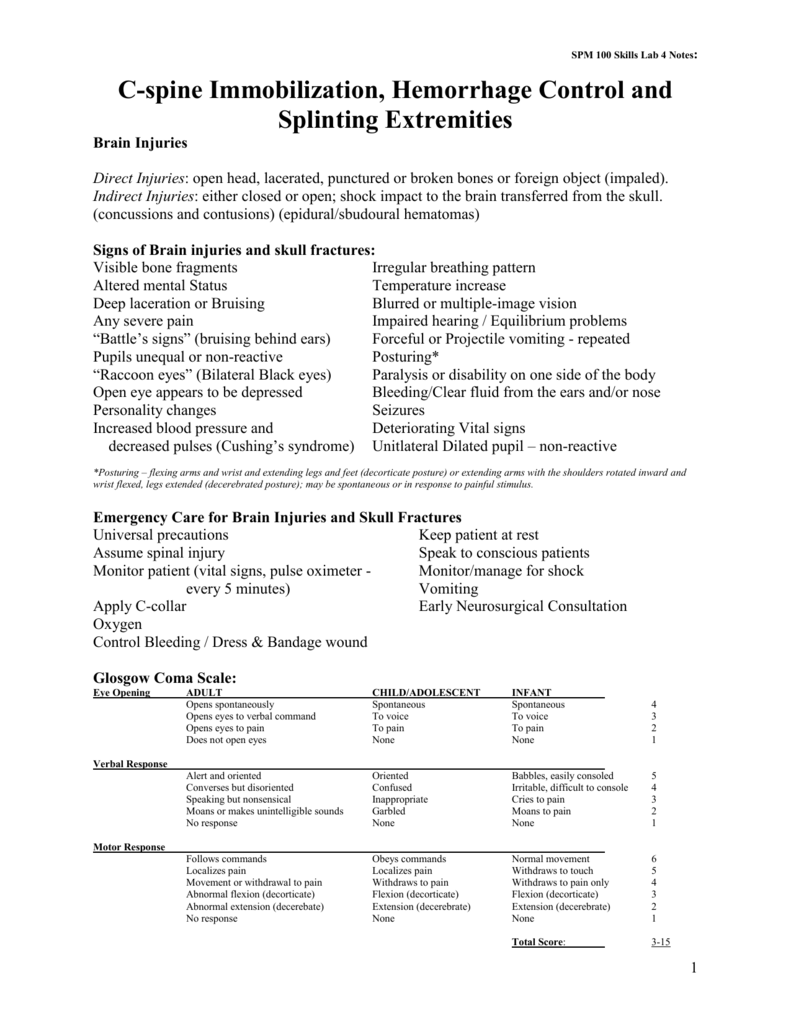
Decorticate posturing concussion. Example of tonic posturing following concussion. Decorticate posturing is a sign of severe damage in the brain injury such as damage in the cerebral hemispheres the internal capsule and the thalamus 2. A person with decorticate posturing will be unconscious often in a coma.
Posturing was associated with age 3 years 48 1 vs 35 8 p 0 01 and features of raised. Both involve stereotypical movements of the trunk and extremities and are typically indicative of significant brain or spinal injury. People who have decorticate rigidity should get medical attention right away.
There are many causes reported apart from the one discussed before. Example of tonic posturing following concussion. Decorticate posturing occurred in 80 decerebrate in 61 and opisthotonic posturing in 22 patients.
The nobel l. Nerve pathway between the brain and spinal cord lead to the abnormal posture named decorticate posture. Decorticate posture causes main cause reported behind the decorticate abnormal posturing is the severe brain injury.
In many cases the doctor will set up breathing assistance for the person and admit them into the hospital s intensive. Decorticate and decerebrate posturing are both considered pathological posturing responses to usually noxious stimuli from an external or internal source.

X Post From Videos Is This Guy Decorticate Posturing At The Very End Ems

Concussions And Head Injuries Musculoskeletal Key