

Decorticate Posturing Unilateral

Abnormal Postures In Comatose Patients Decorticate Grepmed

Pin On Patient Inspection Etc

Https Www Musclesaurus Com Workout Guide Back Exercises Good Back Workouts

One Leg Front Plank Exercise Instructions And Video Weight Training Guide Plank Workout Exercise Weight Training
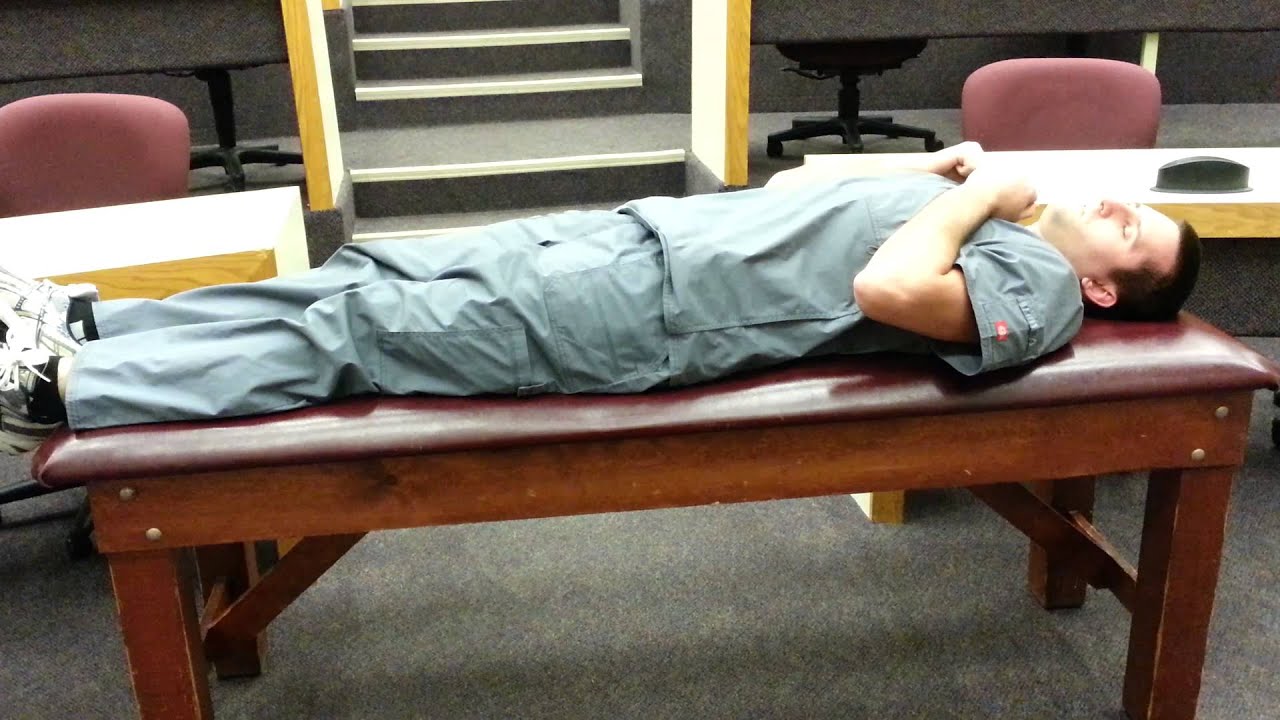
Decerebrate Vs Decorticate Posturing Youtube

Pin By Sierra Debenham On Board Review Words This Or That Questions How To Apply
Due to structural lesions of the thalamus internal capsule or cerebral white matter.
Decorticate posturing unilateral. Unilateral dystonic posturing of an upper extremity is an interesting phenomenon that occurs typically in seizures of temporal lobe origin. However this is not as serious as decerebrate posture wherein the particular kind of posturing appears on both sides of one s body. This asymmetry has some localising value fig 3.
A unilateral or bilateral postural change consisting of the upper extremities flexed and adducted and the lower extremities in rigid extension. Their arms are bent in towards their body and their fingers and wrists are bent and held onto their chest. Decorticate posture is characterized by a stiff body straight legs and clenched fists.
Unilateral decerebrate or decorticate postures can be seen and are an indication of a unilateral lesion. Decorticate posture is also a sign of severe damage to the person s brain. Decorticate posture involves a form of posturing where a person s arms are bent and stiff their legs are straight out and their fists are clenched.
This abnormal posturing makes a person suffer from clenched fists bent arms and legs that are held out straight. Patients with decorticate posturing present with the arms flexed or bent inward on the chest the hands are clenched into fists and the legs extended and feet turned inward. Decorticate posturing is also called decorticate response decorticate rigidity flexor posturing or colloquially mummy baby.
Often these stereotyped movements are indicative of brainstem damage. Decorticate posture is an abnormal posturing in which a person is stiff with bent arms clenched fists and legs held out straight. 1 it is a clinically useful lateralizing sign particularly when complex partial seizures do not generalize version and focal clonic movements are good lateralizing signs for complex partial seizures becoming generalized.
Posturing is frequently observed in patients who are comatose following traumatic brain injury but may also arise in patients with various metabolic derangements. Decerebrate posture is characterized by rigid limbs pointed toes and a backward tilt to the head and neck. Decorticate posturing is a posturing that indicates a severe damage in the brain.

Pdf Ipsilesional Versus Contralesional Postural Deficits Induced By Unilateral Brain Trauma A Side Reversal By Opioid Mechanism

Pin On Neuro
